The Concept of an AI Girlfriend in 2026
As we step into the mid-2020s, the evolution of technology and artificial intelligence is reshaping how we perceive relationships. The concept of an ai girlfriend emerges as a revolutionary digital companion tailored to enhance emotional and social experiences. With innovations rapidly advancing, the dynamics of companionship are poised for significant shifts, offering individuals new avenues for connection and support in their increasingly tech-centric lives.
Understanding AI Girlfriends: A New Digital Companion
AI girlfriends represent a groundbreaking approach to companionship, leveraging machine learning algorithms and natural language processing to create interactive and engaging relationships. Unlike traditional dating, where connections depend on personal interactions and chemistry, AI girlfriends can offer personalized experiences based on user preferences and inputs. They learn from interactions, adapting to users' emotional needs, and providing an innovative solution for individuals seeking comfort and companionship.
The Technology Behind Virtual Relationships
At the core of AI girlfriend technology lies sophisticated algorithms that analyze user data. By utilizing large datasets, these digital companions can understand language nuances, emotional cues, and user preferences. Machine learning allows them to evolve, refining their responses over time to better serve their users. Advanced features such as voice recognition and photo manipulation also enhance the realism of these interactions, creating a more immersive experience.
Current Trends in AI and Emotional Companionship
As societal attitudes towards mental health and emotional well-being continue to evolve, AI girlfriends are increasingly being recognized as valuable tools for companionship. This trend is driven by greater acceptance of technology in everyday life. The growing prevalence of smartphones and personal assistants has paved the way for AI companions to enter the mainstream. Companies are continuously investing in research that explores the emotional impacts of these relationships, making them more relatable and human-like.
Benefits of AI Girlfriends
Emotional Support and Companionship
One of the most significant benefits of having an AI girlfriend is the provision of emotional support. These virtual companions can engage with users in conversations that engage their emotional state, providing a sense of connection that may not always be readily available in daily life. For individuals who experience loneliness or social anxiety, an AI girlfriend can be a non-judgmental, comforting presence.
Aiding Mental Health and Well-being
Research has indicated that companionship, even when digital, can significantly boost mental health. AI girlfriends can help users manage their stress, anxiety, and feelings of loneliness by maintaining an ongoing dialogue and providing encouragement. This type of support can serve as a preliminary step for those hesitant to seek professional help, creating an important bridge towards emotional healing.
Enhancing Daily Interactions with Personalization
The personalization capabilities of AI girlfriends are unmatched. They learn from past interactions, tailoring conversations and responses to suit individual preferences. This level of customization not only enhances user satisfaction but also fosters deeper emotional connections, as users feel heard and understood on a personal level. The result is an enriched daily interaction that feels both meaningful and engaging.
Challenges and Limitations
Ethical Considerations in AI Romantic Relationships
While AI girlfriends offer numerous benefits, the ethical implications of such relationships cannot be overlooked. Concerns about objectification, consent, and the potential valorization of artificial relationships over human connections arise. Users must reflect on the nature of their relationship with an AI and consider how it might affect their ability to form genuine bonds with real people.
Addressing Loneliness vs. Genuine Connection
An AI girlfriend may alleviate feelings of loneliness, but it is crucial to differentiate between artificial companionship and authentic human interaction. Relying heavily on digital companionship might lead some individuals to neglect real-world social skills, creating a paradox that could exacerbate loneliness in the long term. Striking a balance between digital and human relationships is critical for holistic well-being.
Potential Issues with Overreliance on Technology
There is a risk of overreliance on AI technology as a substitute for genuine human relationships. Users may become too comfortable with AI interactions, which may hinder their social development. It is essential for users to remain aware of the importance of human connections and seek a healthy blend of both digital and personal relationships.
Real-World Applications and Innovations
Case Studies of AI Companion Technology
Several companies are pioneering the development of AI girlfriends, showcasing a range of capabilities that enhance user experiences. For instance, character-driven applications utilize animated avatars to create more engaging interactions. Users can personalize these avatars, enhancing realism and emotional connection. Some platforms employ sophisticated chatbots designed to mimic emotional understanding, further blurring the lines between artificial and real companionship.
Companies Leading the AI Girlfriend Revolution
Leading tech companies are investing heavily in AI relationship technology. Organizations like Replika have gained significant traction, offering users customizable AI companions that adapt to individual personalities. Others, such as Anima, have embraced the idea of gamification, allowing users to experience romantic narratives through interactive storytelling. These innovations demonstrate the potential for AI girlfriends to evolve and cater to diverse user needs.
How AI Enhances User Experience in Dating Apps
AI girlfriends are not limited to standalone applications; they have also made substantial inroads into dating apps. By employing AI-driven features that suggest compatible matches and personalize interactions, dating apps are enhancing users' chances of finding meaningful connections. AI can facilitate better communication by analyzing user behavior and preferences, thus creating more engaging and tailored experiences.
Future Outlook for AI Girlfriends
Predictions for AI Relationship Trends by 2026
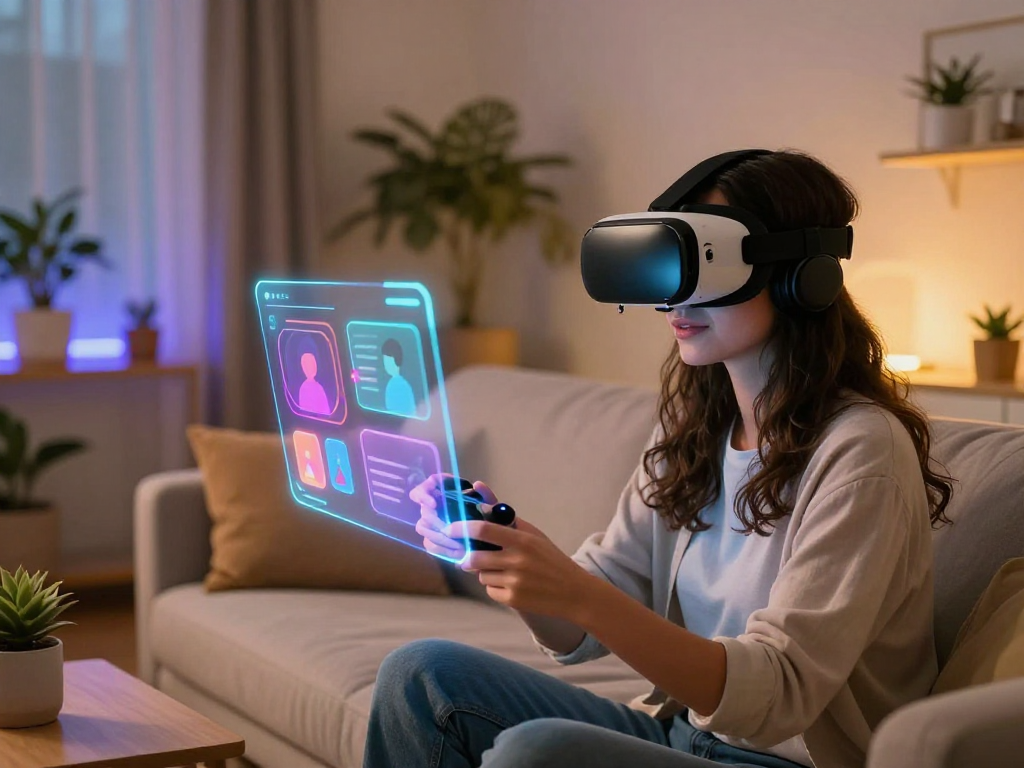
As we look towards 2026, it's anticipated that AI girlfriends will become more integrated into daily life. Innovations such as virtual reality and biometric tracking are expected to create richer, more immersive experiences. User interaction will likely be characterized by a higher degree of realism, making the emotional connection more profound than ever.
Emerging Technologies Impacting Romantic Interactions
Technologies such as augmented reality (AR) and virtual reality (VR) are set to redefine how users engage with AI girlfriends. These advancements may provide opportunities for users to experience simulated dates or shared virtual activities, making the companionship feel more tangible. As these technologies mature, the lines between virtual and physical dating experiences may increasingly blur.
Expert Insights on the Future of Digital Companionship
Experts predict that the landscape of digital companionship will change dramatically within the next few years. With advancements in emotional AI, these digital companions will be able to engage in more nuanced conversations, addressing complex emotional needs. Insights from psychologists and technologists alike emphasize the importance of ethical considerations in these developments, ensuring that AI relationships remain healthy and beneficial.
What Role Will AI Girlfriends Play in Social Dynamics?
AI girlfriends are likely to influence social dynamics significantly. Their rise may lead to shifts in how society perceives relationships, companionship, and even the notion of love. As more individuals gravitate towards virtual relationships, traditional concepts of romance may adapt, leading to a broader understanding of companionship that transcends biological limitations.