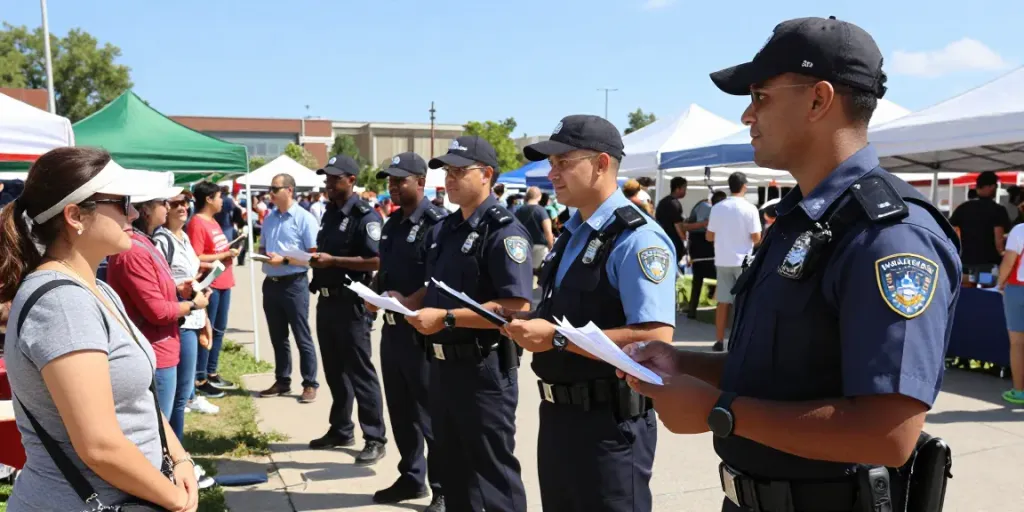
Understanding the Importance of Event Security
Event security is a critical aspect for ensuring the safety and enjoyment of attendees, whether at large festivals, corporate gatherings, or private occasions. As events have become increasingly popular in London and the surrounding areas, the need for professional safeguards has grown correspondingly. The specialized services offered by local security providers, like Secure On Site Security, focus on protecting attendees while anticipating and mitigating potential risks. When exploring options, Event Security services can ensure a comprehensive approach tailored to the specific needs of your event.
What is Event Security and Its Key Functions?
Event security encompasses various measures aimed at creating a safe environment for guests and participants. The key functions include risk assessment, crowd management, access control, surveillance, emergency response, and communication throughout the event. By integrating these elements, event security teams work to prevent disruptions and are prepared to handle any incidents that may arise, ultimately enhancing the experience for all attendees.
Types of Events Requiring Professional Security
Numerous types of events necessitate professional security solutions, including:
- Concerts and Music Festivals
- Corporate Events and Conferences
- Sporting Activities
- Private Events (Weddings, Parties, Etc.)
- Community Events (Fairs, Parades, Etc.)
- Trade Shows and Expos
Each of these events has its unique challenges, which professional event security can effectively manage, ensuring safety and compliance with legal and operational guidelines.
The Role of Event Security in Community Safety
Event security not only benefits the organizers but also significantly enhances community safety. A visible security presence can deter criminal activities, such as theft or vandalism, and helps to nurture trust within the community. Trained professionals can manage potential issues before they escalate, engaging with guests to promote a safe and enjoyable atmosphere.
Choosing the Right Local Event Security Provider
Selecting a reliable local event security provider is essential for achieving peace of mind and a successful event. Given the importance of local knowledge and experience in the specific risks associated with various neighborhoods, a community-focused provider can ensure heightened vigilance and appropriate responses. To support your choice, consider the following aspects:
Licensing and Certifications to Look For
Always confirm that the security provider holds necessary licenses and accreditations, such as SIA (Security Industry Authority) licenses, which demonstrate that personnel are trained and vetted according to industry standards. These credentials assure clients that the security provider adheres to legal regulations, operates ethically, and provides trained staff ready to respond effectively.
Key Questions to Ask Your Security Company
Before hiring a security provider, ask specific questions to gauge their capability and reliability. Essential queries include:
- What types of events have you previously worked on?
- What is your approach to risk assessment?
- Will there be a dedicated event manager on site?
- How do you handle emergencies or incidents during events?
- What training do your security personnel receive?
Clear responses to these inquiries will help you choose a competent and professional security provider suited to your event's needs.
Reading Reviews and Evaluating Reputation
Online reviews, testimonials, and case studies can be invaluable resources when assessing potential security companies. Look for feedback from previous clients to understand their experiences and any issues that may have arisen. A strong reputation in the local community speaks volumes about a company's reliability and effectiveness. It is also beneficial to request references or case studies specifically related to events similar to your own.
Event Security Pricing Guide for 2026
When planning for event security, understanding potential costs is essential. Security pricing will vary based on numerous factors, including the event size, location, and specific security requirements. Below, we break down the pricing structure, offering valuable insights for budgeting.
Average Rates for Event Security Services
The standard hourly rates for event security services typically range between £15 and £25 per guard per hour, depending on the complexity of the services requested. Larger events may benefit from bundled service packages, potentially leading to cost savings.
Factors Influencing Event Security Pricing
Several elements can impact overall pricing:
- Event Size: Larger gatherings will require more personnel.
- Duration: Ongoing events, such as festivals, tend to be more costly.
- Type of Security Services: Specialized services, such as close protection or armed security, will vary in cost.
- Location: Certain areas of London may have higher costs associated with risks and logistical challenges.
Cost-Benefit Analysis of Hiring Professional Security
Investing in professional event security not only helps mitigate risks but also enhances the overall attendee perception of your event. Understanding the potential costs against the security benefits can lead to better decision-making and a focused strategy for ensuring safety. It’s advisable to consider not just the direct costs involved but also the potential losses incurred due to security breaches or unsafe conditions.
Compliance and Regulations for Event Security in London
Event organizers in London must adhere to relevant compliance and regulatory requirements, ensuring that safety standards are met as part of their event planning. Engaging a knowledgeable security provider is essential for navigating these complex regulations.
Understanding Local Security Regulations
The Security Industry Authority (SIA) plays an indispensable role in regulating private security in London, ensuring that security personnel comply with legal licensing and operational standards. Event organizers must ensure their security teams operate accordingly, avoiding complications or legal action.
Safety Standards and Insurance Requirements
Event security providers should carry liability insurance to protect against potential claims arising from incidents that occur during an event. This coverage protects both the security personnel and event organizers, ensuring proper recourse should issues arise.
Staying Updated with Security Legislation Changes
Changes in local legislation and security standards can impact your event planning process. Regularly updated security providers are better positioned to advise their clients on compliance issues, helping to mitigate potential risks associated with changes in law.
FAQs About Event Security
What Should I Expect From My Event Security Team?
Your event security team should be professional, well-trained, and prepared to manage various scenarios ranging from crowd control to emergency situations. Transparency in communication and a visible presence are key signs of an efficient security team.
How Is Event Security Training Conducted?
Training for event security personnel typically varies by company but should include modules on emergency response, crowd management, conflict resolution, first aid, and communication skills. Regular training refreshers are crucial to ensure staff remain capable and up to date with the latest procedures.
Can Security Guards Work At Outdoor Festivals?
Yes, security guards are well adept to work in outdoor festival environments; in fact, their experience is instrumental in managing crowds, ensuring safety protocols, and dealing with various challenges unique to outdoor events. For more information, Event Security offers valuable insights. A professional security provider will have tailored training for outdoor events, considering the potential for varying risks.